
Fasteners Every Server Engineer Should Know
As demand for data capacity continues to grow - driven by AI workloads, high - performance computing, and global communication systems - organizations are investing heavily in the server infrastructure that powers today’s digital world. While advanced server blades, networking gear, and storage systems often take the spotlight, there’s a critical element that’s just as essential but often overlooked: how these components are physically fastened and secured.
From securing servers to racks to mounting circuit boards inside enclosures, the performance, reliability, and safety of an entire system can depend on the quality of just a few key fasteners.
Fasteners Matter
Reliable fastening is fundamental to ensuring uptime and avoiding costly failures. Poor-quality fasteners can lead to loose connections, signal loss, and even permanent equipment damage. Beyond mechanical security, fasteners also ensure correct electrical contact, support ease of servicing, and contribute to long-term system stability.
With opensource designs and global supply chains introducing a wide range of low-cost hardware options, engineers face more choices than ever. However, not all fasteners meet the demands of critical data center environments. Low-cost alternatives may fail under thermal stress, vibration, or sustained load - resulting in:
- Increased service and maintenance costs
- Time-consuming engineering redesigns
- Unplanned downtime and data risk
Given the high cost of server components, especially line cards that can exceed tens of thousands of dollars, investing in precision-engineered fastening systems is not just wise, but necessary. Captive hardware and inject/eject mechanisms made with high - quality materials and designed to tight tolerances ensure both reliability and maintainability.
Captive Hardware: What to Consider
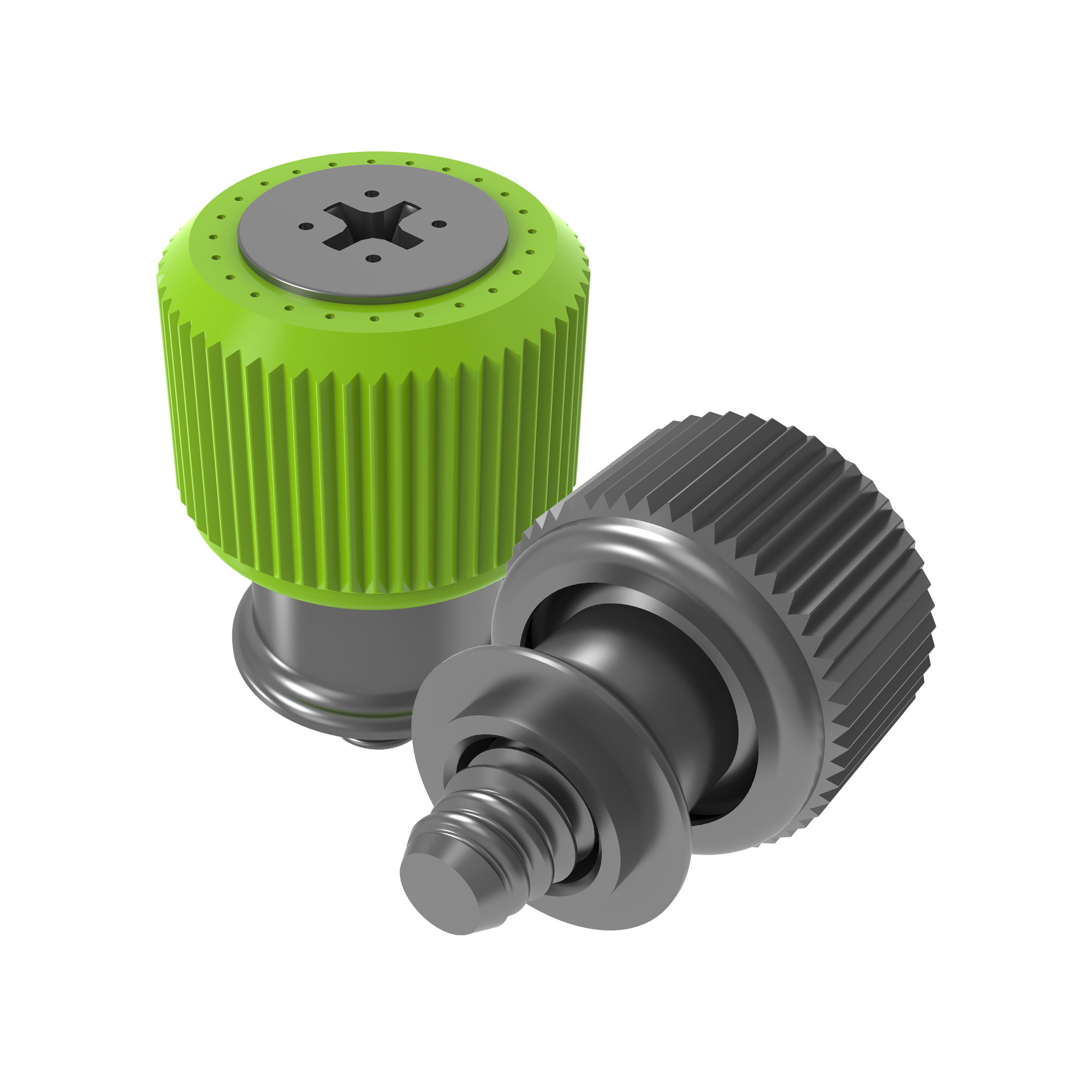
Captive panel fasteners are used throughout server enclosures and chassis to securely attach panels, circuit boards, and modules. Their material and finish directly impact both durability and safety.
Poor-quality finishes can degrade under thermal cycling, leading to galling, corrosion, or stripped threads. In extreme cases, flaking metal debris from inferior screws can fall onto nearby PCBs, creating shorts or permanent damage. That’s why material integrity and surface finish quality are non-negotiable in captive hardware used in servers.
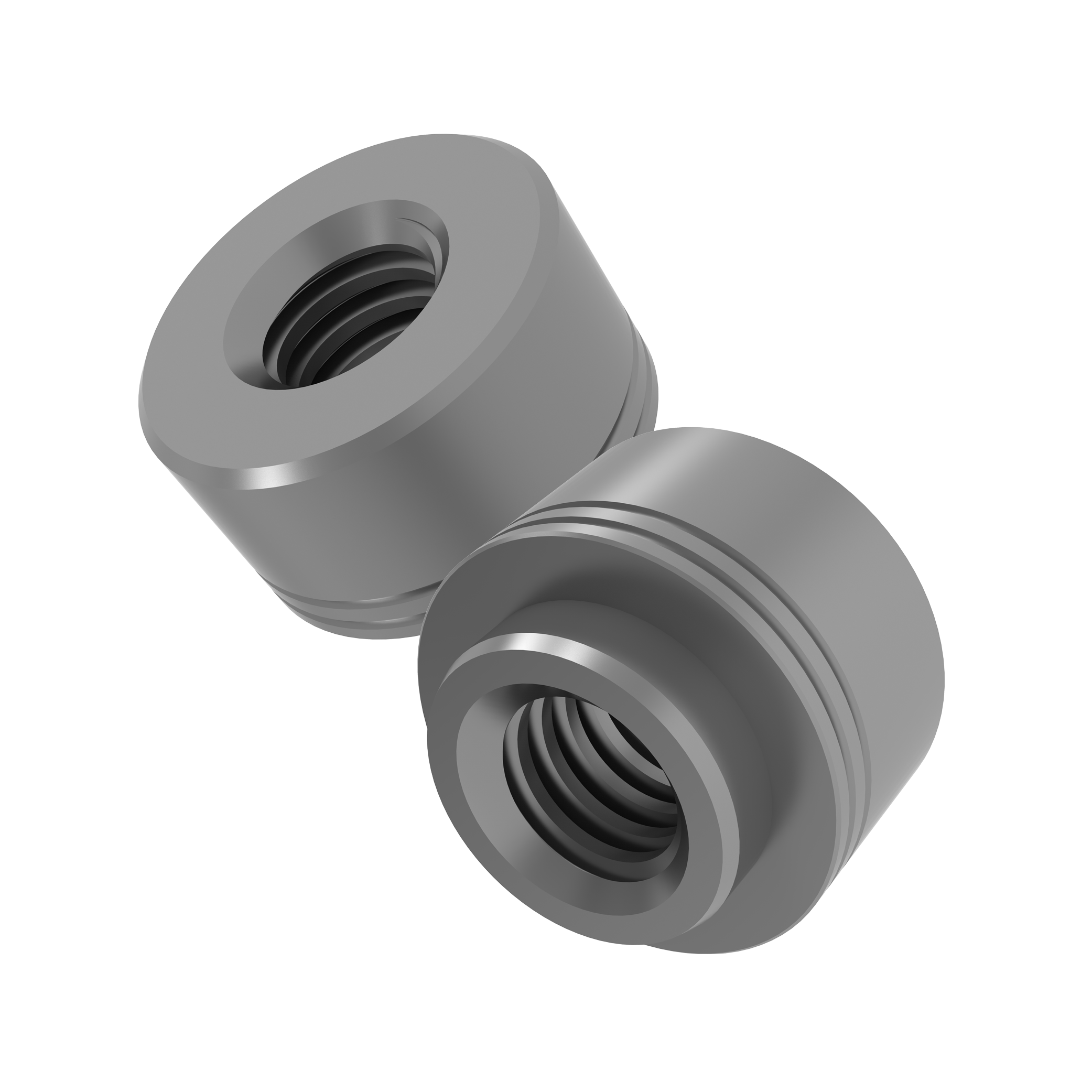
Installation Methods Make a Difference
Traditional press-fit fasteners, while widely used, can create stress on PCBs during installation, sometimes leading to cracking or board damage. Surface Mount Technology (SMT) captive fasteners offer a smarter alternative. Installed during the reflow soldering process alongside other components, SMT fasteners form strong, conductive bonds directly to the board without the need for secondary pressing.
This method reduces mechanical stress and allows for higher component density, enabling more efficient board layouts. SMT solutions like the ReelFast® SMTSO also help streamline manufacturing by supporting automation and reducing labor costs.
Key benefits of SMT fasteners include reduced board damage, lower installation costs, and full compatibility with automated, high-volume assembly processes.
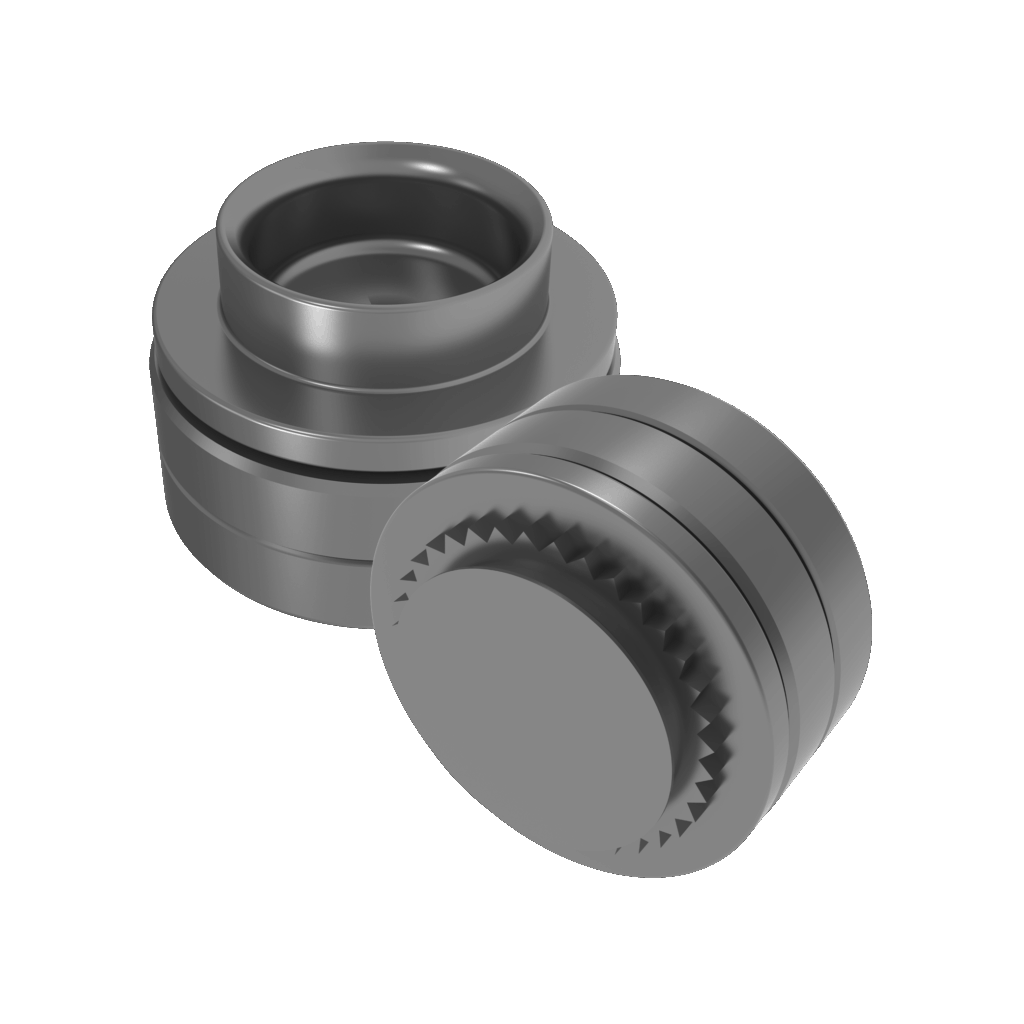
SpotFast®: Flush, Compact, and Strong
When designing compact server enclosures, engineers need fasteners that don’t compromise space, airflow, or aesthetics. PEM® SFP™ SpotFast® fasteners allow for flush, permanent joining of metal sheets, even of unequal thickness or different materials, without protrusions.
They’re especially valuable when:
- A clean, smooth finish is needed for painting or coating
- Space is at a premium and surface obstructions must be minimized
By creating flush, reliable joints, SpotFast® fasteners support modern, compact, and modular server architectures.
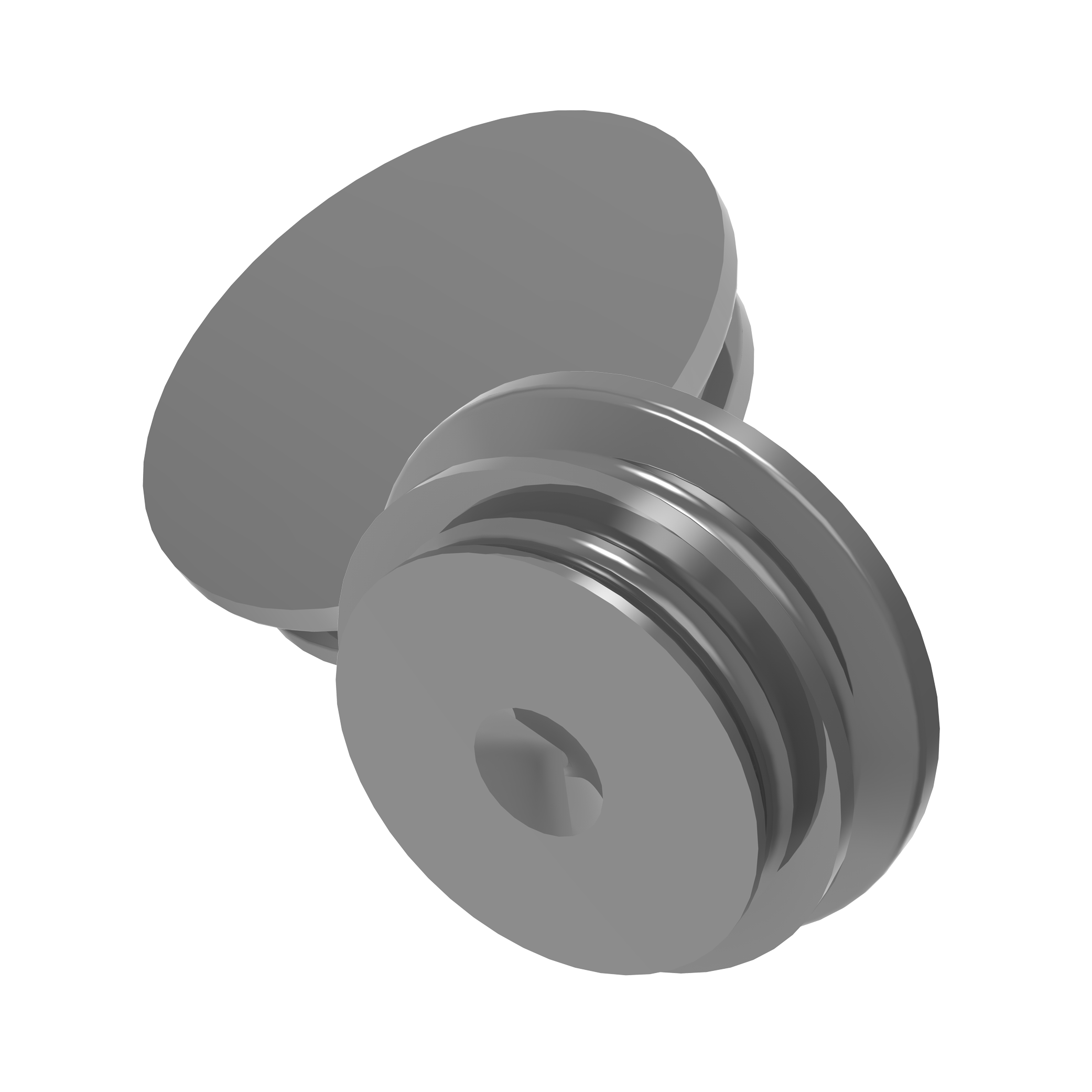
Smooth Access with Roller Bearing Fasteners
In datacom and rack-mounted server applications where frequent access is needed, PEM® Roller Bearing Fasteners offer high-durability, low-friction solutions that improve both usability and system longevity. Integrated roller bearing elements provide consistent, smooth movement for trays, hot-swappable modules, and chassis rails - key in dense rack environments where precision and ergonomics matter.
These fasteners enhance accessibility by enabling fast, tool free servicing, and their built in sliding action reduces wear and mechanical strain over time. The result is faster maintenance, lower fatigue for operators, and extended hardware life.
Choosing the Right Supplier
With open-source hardware and global component sourcing expanding rapidly, selecting a trusted fastener supplier is more important than ever. Key criteria include:
- Proven engineering capabilities, including DFM and DFMEA support
- In-house quality control, such as plating integrity and corrosion resistance
- Global manufacturing and supply chain infrastructure
- Full compliance with standards like RoHS and environmental directives
A global supplier ensures consistent part availability, supports localized manufacturing, and reduces lead times for replacements or service.
Server infrastructure is designed to protect data from virtual threats - but physical reliability starts with the small details, including how components are fastened. Engineers should treat fastening hardware as an essential part of system design - not an afterthought. By specifying high - quality, validated fasteners from the outset, organizations can reduce downtime, avoid costly rework, and ensure their data center equipment stays secure, serviceable, and future-ready.
Why Partner with PennEngineering®?

Engineering Integration
- Application engineering support
- Quick prototyping and validation
- Reduced design iterations and time-to-market

Supply chain agility
- Forecast-driven capacity planning
- Expedited lead times and buffer stock
- 24/7 global support with CM-level coordination

sustainability alignment
- Material traceability and responsible sourcing
- Design-for-sustainability consultations
- Joint carbon footprint reduction initiatives
Engineering Expertise -- | -- Limitless Fastener Library -- | -- Local Connection, Everywhere
Your competitive advantage starts with PEMedge® Services.
Improve product cost and quality, test alternative fastening solutions, and optimize part performance with Application Engineering Support, Testing, Product Teardowns, Virtual Tech Support, and Fastener Master Classes.